

 Store locator
 Favourites
 Account


How to Deal with Damp, Mould and Condensation
November 10th, 2026
 Share
-
 Email
-
 Facebook
-
Damp, mould and condensation can all affect the condition of
your home and come back if not treated properly. In this article, we explore
common signs of each and which products to use to treat them.

What are the common signs of damp?
Damp usually comes from defects within the building like leaking gutters, cracked render or defective roofing.
There are four different types of damp. Look out for the following which are signs of damp:
• Wet patches
• Peeling paint
• Staining
• Damaged plaster
How to prevent damp
Some ways to prevent damp include:
• Making sure the outside of your building is watertight. Ensure there’s no gaps in fascia's and soffits and no cracks in the walls.
• Ventilating areas where moisture builds like bathrooms by opening windows.
• Installing an extractor fan in your bathroom.
Can you paint over damp?
We advise you don’t paint over damp walls until you’ve fixed the moisture problem as this could lead to peeling and bubbling paint or stains bleeding through.
How to remove damp before painting
Before painting over damp walls, it’s important to find and fix the cause, whether that’s a leaking pipe, damaged guttering or poor ventilation.
Once the problem has been resolved, allow the wall to dry completely before removing any loose or flaking paint and repairing damaged plaster. You can then apply a suitable damp-resistant treatment or stain-blocking primer, if needed, before giving your walls a fresh coat of paint.
How to paint over damp
Toupret Anti-Damp Treatment Humistop

G4 Dampseal

Coo-Var Anti-Damp Paint

Zinsser WaterTite Water Proofing Paint 5L


What are the common signs of mould?
Mould thrives in damp areas, places with low air flow and
where there’s residue.
Common signs of mould include:
- Discolouration or stains – appears as black, green, brown, white, pink or grey patches on walls, ceilings, floors and personal items.
- Peeling or bubbling paint or wallpaper.
- Water strain and warped materials.
Can you paint over mould?
Once you’ve addressed the underlying cause of the mould, you
can use a specialist mould prevention paint to paint over it.
How to remove mould before painting
Before redecorating, it's important to deal with the cause
of mould and make sure the affected surface is properly treated.
For small areas of surface mould, use a suitable
mould-removal product according to the manufacturer's instructions and take
appropriate precautions. Avoid dry brushing or sanding mouldy surfaces, as this
can release spores into the air.
Allow the surface to dry fully before applying a suitable
primer or mould-resistant finish.
If mould is widespread, keeps returning or affects porous
materials, seek professional advice rather than attempting to cover it with
paint.
How to prevent mould
Ways to prevent mould include:
- Using humidity monitors in each room to show which rooms have high moisture levels. Take recordings in winter when humidity is more of a problem. Find out more about measuring humidity levels by following advice from HSE.
- Use extractor fans and keep vents clear
Mould-proof coatings
Once you’ve fixed the mould problem, we recommend the
following mould-proof products to prevent moisture from building:
Zinsser PermaWhite Interior Matt White

Fungi-Shield Anti-Mould & Blackspot Paint

isomat Bath & Kitchen
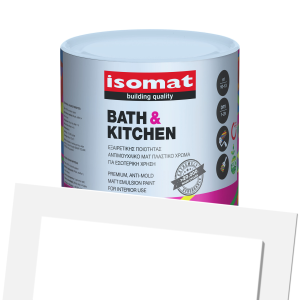
Crown Clean Extreme Mould Inhibiting Scrubbable Matt White


How to reduce condensation
Condensation is a common problem in many households and can
be reduced by:
- Improving ventilation by opening windows
- Making sure your heating is set up properly
- Keep lids on pans whilst cooking
- Only using as much water as necessary
Products to prevent condensation
Once you’ve fixed the condensation problem, we recommend the following mould-proof products to prevent moisture from building:
Coo-Var Anti-Condensation Paint

When should you speak to the Brewers Specialist Coatings Team?
Not sure which product is right for your project?
Our team can provide advice on:
- Finding specialist coatings for different surfaces and decorating requirements.
- Understanding the preparation and application needed to achieve a long-lasting finish.
- Choosing suitable damp-proofing and stain-blocking products once the underlying moisture problem has been resolved.
- Selecting mould-resistant and anti-condensation paints for kitchens, bathrooms and other moisture-prone rooms.
Whether you’re refreshing a bathroom, redecorating after water damage or looking for a specialist coating, we're here to help you find the right solution.
Get in touch with the Brewers Specialist Coatings Team on 01323 576101 for specialist product advice.
Related


