Store locator
 Favourites
 Account


What Is Lining Paper And Why Should You Use It?

August 14th, 2025
 Share
Share
-
 Email
Email
-
 Facebook
-
 Pinterest
-
 Pinterest
At Brewers, we strive to
make sure you have everything you need to achieve the perfect finish. When it
comes to decorating, lining paper is an integral step to ensuring great end
results…and here’s why!
Shop Now>>

Creates The Perfect Base:
Standard lining papers have been created to provide surface
reinforcement, covering small cracks and imperfections, leaving you with a
smooth surface to paint or wallpaper on.
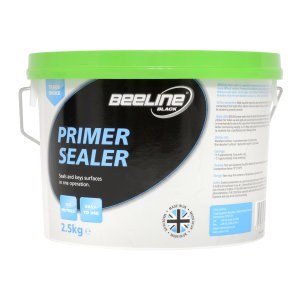
Top Tip: for the best results, use Beeline Primer Sealer.

A Wide Range To Suit Every Project:
There are 3 different grades of lining paper: light weight, mid
weight and heavy weight.
Light weight lining paper (1000-1200 grade) protects older
plaster in relatively good condition, effectively smoothing out small cracks
and defects.

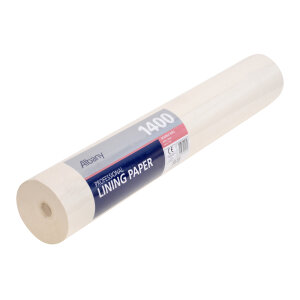
Medium weight lining paper (1400-1700 grade) can protect older
plaster with larger defects and cracks.
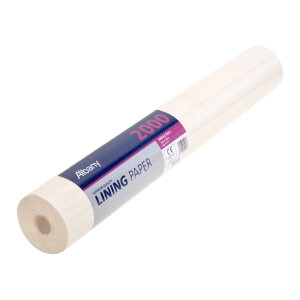
Heavy weight lining paper (2000-2500 grade) is designed for
severely damaged substrates.
Top Tip: Significant cracks should be filled and walls properly
prepared before hanging lining paper.

Easy To Hang:
There are two variations of lining paper – paste the paper and
paste the wall.
Paste the paper lining paper requires soaking with adhesive
prior to application whilst paste the wall papers can be hung straight from the
roll, making them quicker, easier and cleaner to apply.

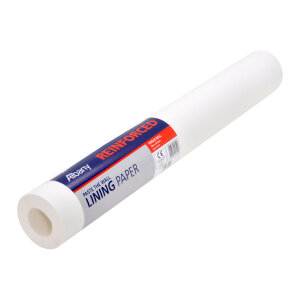
Albany Reinforced Paste The Wall Lining Paper gives a strong,
durable finish, ideal for cracked or damaged walls and ceilings.
You can apply the paste directly to the wall without a paste
table, but the paper can also be hung conventionally with pre-cut lengths.
No soaking time is required, allowing you to apply the paper
straight away.

Durable:
For both types of lining paper, make sure you use a high
quality, ready-mixed adhesive such as Albany Super Smooth Wallcovering
Adhesive.
A high-quality adhesive will ensure superior bonding strength,
creating a highly durable finish which is perfect for high traffic areas such
as hallways.

Top Tip: make sure you cross line, as this will ensure lining
paper joins do not fall on the same place as wallpaper joins, increasing the
risk of your wallpaper lifting. Cross lining is where the paper is hung horizontally
rather than vertically.